
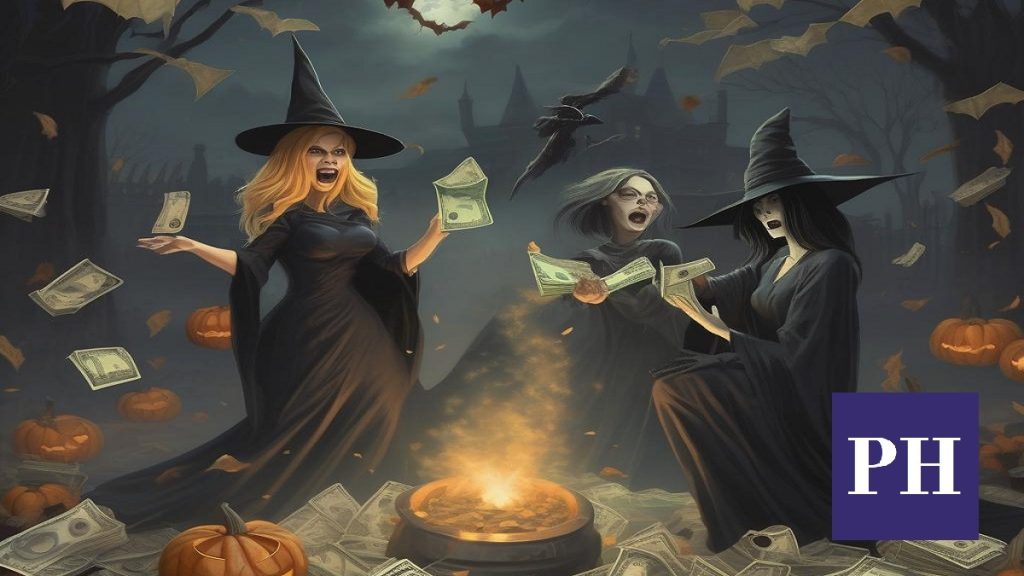
On Wednesday 30th October 2024, Chancellor Rachel Reeves unveiled her “Halloween Budget”, marking Labour’s first budget in over 14 years. True to predictions, this budget includes significant tax increases aimed at raising over £40 billion to fuel economic growth.
In our breakdown of the Halloween Budget 2024, we explore the key changes—both the “tricks” and the “treats”—and analyse what they could mean for you and your business.
Table of contents
- Personal Taxes
- What will the Personal Allowance be in 2025/26?
- How much do you need to earn to lose your Personal Allowance?
- What are the Income Tax Bands for 2025/26?
- What is the Optimum Directors Salary for 2025/26 tax year?
- What is the Marriage Allowance?
- What Taxes are Paid on Savings in 2025/26?
- What Taxes are Paid on Dividends in 2025/26?
- Has the High Income Child Benefit Charge changed?
- How much has Capital Gains Tax Increased by?
- What is Business Asset Disposal Relief and is it still available?
- Company & Employment Taxes
- What will be the Corporation Tax Rate from April 2025?
- What is Full Expensing and has it changed?
- What are the changes to Business Rates Relief?
- What is the Minimum Wage from April 2025?
- How much will the increase in Employers National Insurance cost my business?
- How are small businesses protected by the increase in Employers NI?
- Are there any changes to National Insurance payable by Self-Employed?
- What are the changes to Double Cab Pick Ups?
- Other Announcements
Personal Taxes
The main personal tax announcements in the Halloween Budget 2024 are below.
What will the Personal Allowance be in 2025/26?
Income below the personal allowance threshold is earned tax-free. This threshold, set at £12,570, has been frozen for another year and will stay at this level until April 2028, when it’s scheduled to increase in line with inflation.
Ideally, the personal allowance would rise with inflation each year to keep pace with the cost of living. However, by freezing this allowance, a larger portion of income becomes taxable—a phenomenon known as “fiscal drag.” In a high-inflation environment, this results in higher tax payments for many.
With the personal allowance unchanged, the tax code 1257L will also remain the most common for taxpayers with a single employment.
How much do you need to earn to lose your Personal Allowance?
For earnings above £100,000, the personal allowance is reduced by £1 for every £2 earned. This means that in the 2025/26 tax year, once earnings reach £125,140, no personal allowance will be available.
What are the Income Tax Bands for 2025/26?
The income tax thresholds for 2025/26 remain unchanged as follows:
- Basic rate band remains at £37,700.
- The higher rate band is charged on income over £50,270.
- The additional rate band is charged on income over £125,140.
What is the Optimum Directors Salary for 2025/26 tax year?
For the 2025/26 tax year, the optimum salary for most directors will remain at £12,570 annually. We recommend that directors take a monthly salary of £1,047.50. Depending on individual tax circumstances, additional payments can be made through payroll as a bonus or as dividends.
For more details, see our comprehensive guide on the optimal director’s salary.
What is the Marriage Allowance?
Under certain conditions, the Marriage Allowance lets one partner transfer £1,260 of their personal allowance to the other, potentially resulting in a tax refund of over £250.
Claims can be backdated up to four tax years. The claim for the 2020/21 tax year must be made before 5th April 2025.
If you think you may qualify read our blog which explains how to apply for the Marriage Allowance.
What Taxes are Paid on Savings in 2025/26?
There are no changes to the savings income allowances.
Basic rate taxpayers (with total income under £50,270) have a £1,000 tax-free allowance on savings interest, meaning no tax is due on interest up to this amount.
For higher-rate taxpayers (income over £50,270 but under £125,140), the tax-free savings allowance decreases to £500.
Additional rate taxpayers, with earnings exceeding £125,140, do not receive a savings allowance and must pay tax on all their savings interest.
What Taxes are Paid on Dividends in 2025/26?
Dividend tax allowances and rates remain the same, with the following allowances and rates in effect:
- The first £500 of dividend income is tax-free for all taxpayers.
- Basic rate taxpayers pay 8.75% on dividend income.
- Higher rate taxpayers pay 33.75%.
- Additional rate taxpayers pay 39.35%.
Note: Dividends within ISAs are exempt from dividend taxes, so if you have taxable investments, consider maximising your ISA allowances.
Has the High Income Child Benefit Charge changed?
The High Income Child Benefit Charge (HICBC) applies to higher-income individuals who receive Child Benefit or whose partners do.
Child Benefit is fully available if both partners earn below £60,000; however, it gradually tapers for incomes between £60,000 and £80,000, and is entirely withdrawn when either partner earns over £80,000.
The proposal to assess eligibility based on joint household income has been scrapped.
How much has Capital Gains Tax Increased by?
From 30th October 2024, Capital Gains Tax rates will rise, with the basic rate increasing from 10% to 18% and the higher rate from 20% to 24%. Rates for residential property disposals will remain unchanged at 18% and 24%, thus aligning all disposal rates.
The annual exempt amount will remain at £3,000. The rates are therefore as follows:
- The First £3,000 is covered by the annual exemption
- Basic rate taxpayers pay at a capital gains tax rate of 18%
- Higher and additional rate taxpayers pay at a capital gains tax rate of 24%
Note: The sale of your home is not included as it qualifies for private residence relief.
What is Business Asset Disposal Relief and is it still available?
Business Asset Disposal Relief (BADR) allows individuals to pay a reduced Capital Gains Tax rate on qualifying gains when selling all or part of their business. It applies up to a lifetime limit of £1 million in gains. This relief is intended to support small business owners when they sell or transfer their business.
For assets qualifying for BADR:
- In 2024/25 the capital gains tax rate is 10%
- In 2025/26 the capital gains tax rate will increase to 14%
- From 2026/27 the capital gains tax rate will rise again to 18%
Business owners planning to retire in the next few years may choose to accelerate their retirement to take advantage of lower tax rates.
Company & Employment Taxes
The main company and employment tax announcements in the Halloween Budget 2024 are below.
What will be the Corporation Tax Rate from April 2025?
The government has confirmed that Corporation Tax rates will remain unchanged from April 2025. Companies with profits over £250,000 will continue to be taxed at 25%, while those with profits of £50,000 or less will pay the small profits rate of 19%.
For companies with profits between £50,001 and £250,000, a marginal rate of tax will apply, resulting in a gradual increase in the effective Corporation Tax rate. Calculate your Corporation Tax liability below:
What is Full Expensing and has it changed?
Full expensing allows companies to claim 100% corporation tax relief on qualifying capital expenditures, such as plant and machinery, in the year of purchase, rather than spreading the relief over multiple years.
For smaller limited companies, capital allowances and the Annual Investment Allowance (AIA) remain available, allowing a 100% write-off on certain assets up to £1 million per year.
Consequently, unless a company spends more than £1 million on assets annually, it is unlikely to benefit from full expensing.
What are the changes to Business Rates Relief?
For the 2025/26 tax year, eligible retail, hospitality, and leisure (RHL) properties in England will continue to receive business rates relief but at the much lower rate of 40%, capped at £110,000 per business.
The small business multiplier will remain frozen at 49.9p, while the standard multiplier will rise to 55.5p. These measures aim to offer targeted support for smaller businesses in these sectors, at a cost to the Treasury of £1.9 billion.
Looking ahead to 2026/27, the government plans to introduce permanently lower business rates multipliers for high street RHL properties, funded by a higher multiplier for the most valuable properties.
What is the Minimum Wage from April 2025?
In April 2025, the National Living Wage will rise by 6.7% to £12.21 per hour. National Minimum Wage rates will also increase, with the following hourly rates by age group:
- 21 years and over – £12.21
- 18 to 20 years of age – £10.00
- 16 to 17 years of age – £7.55
- Apprentices – £7.55
Note: There are plans to align the minimum wage for 18 to 20 year-olds with that for those over 21, so a significant increase for this age group (18 to 20) is expected again next year.
How much will the increase in Employers National Insurance cost my business?
From April 2025, the National Insurance rate for employers will rise from 13.8% to 15.0%. Additionally, the threshold at which employers are required to pay National Insurance will decrease from £9,100 to £5,000.
If you believe you may be affected by the increase in Employer National Insurance contributions, we encourage you to read our latest blog. It includes an Employer National Insurance Calculator, a comprehensive FAQ section, and detailed insights on how this change may significantly impact businesses.
How are small businesses protected by the increase in Employers NI?
The National Insurance allowance is a tax relief that enables employers to lower their National Insurance liabilities. Currently set at £5,000, the allowance will increase by an additional £5,500, bringing the total to £10,500. This means employers will not pay National Insurance on the first £10,500 of their annual liability.
Are there any changes to National Insurance payable by Self-Employed?
There are no changes to the Class 4 National Insurance rates for self-employed workers.
Class 4 National Insurance is charged at a rate of 6% on profits between £12,570 and £50,270, while profits exceeding £50,270 will continue to be taxed at a rate of 2%.
Additionally, those with profits under £6,725 can opt to pay voluntary Class 2 National Insurance at a rate of £3.50 per week.
What are the changes to Double Cab Pick Ups?
From April 2025, double cab pick-up vehicles with a payload of one tonne or more will be classified as cars.
The new rule affects benefits in kind, capital allowances, and business profit deductions, though businesses with vehicles purchased or leased before April 2025 can use the old system until April 2029.
Other Announcements
The main other announcements in the Halloween Budget 2024 are below.
VAT Thresholds and Private School Fees
The VAT Registration threshold will remain at £90,000. The deregistration threshold also remains at the current amount of £88,000.
Starting from 1st January 2025, private school fees for education and vocational training will no longer be exempt from VAT and will incur the standard VAT rate of 20%. This adjustment applies to school terms commencing on or after this date.
Stamp Duty Increases
Individuals and companies purchasing additional residential properties, such as second homes or buy-to-let properties, typically pay Stamp Duty at 3% above the standard rates. However, for transactions completed on or after 31st October 2024, this surcharge will increase to 5%.
Furthermore, companies and other non-individual entities buying residential properties valued over £500,000 will see their single Stamp Duty rate rise from 15% to 17% starting on the same date.
Furnished Holiday Lettings to be abolished
From April 2025, the Furnished Holiday Lettings (FHL) tax regime will be abolished, bringing FHL properties under the same rules as other UK or overseas property businesses. Key impacts from 2025/26 include the following:
- Mortgage interest relief will be limited to the basic 20% income tax rate.
- Capital allowances on new plant and machinery will no longer apply, although some relief is available for replacing specific items.
- Capital gains, many of the favourable tax reliefs are no longer available as FHLs cease to be treated as a trade.
Making Tax Digital for Income Tax confirmed for Self-Employed & Landlords
The government remains committed to implementing Making Tax Digital (MTD) for Income Tax. Under the current timeline, self-employed individuals and landlords with income exceeding £50,000 will be required to join MTD from April 2026, with those earning over £30,000 joining from April 2027.
Additionally, the government announced plans to extend MTD to individuals with income over £20,000 by the end of this Parliament. The specific timing for this phase will be confirmed at a future fiscal event.
Higher Interest Rates to be charged on late tax payments
To deter late payments, the Chancellor announced that from 6th April 2025, HMRC will raise the interest rate on overdue tax to 4% above the Bank of England base rate, up from the current 2.5% over base rate.
HMRC Recruiting more staff
The Chancellor will allocate £1.6 billion to HMRC to recruit 5,000 additional compliance officers and 1,800 debt management staff over five years, aiming to reduce the £39.8 billion tax gap.
Starting with 200 new compliance officers in November, this recruitment will expand HMRC’s compliance team to 32,000 by 2030, with the goal of generating an extra £4.7 billion in revenue by 2029-30.
Note: Could this lead to an increase in enquiries from HMRC?
Further Information
For further information on the topics covered see HMRC Halloween Budget 2024
Related Links:
DISCLAIMER – Please note that the content contained in this article is for general information only and is not a substitute for professional advice – read our full disclaimer